The Urban and Socio-Environmental Anthropology research area promotes critical urban studies from an anthropological perspective to analyze contemporary processes of urbanization and their relationship with the environment in a context of multiple crises marked by inequality and climate change. The focus is on social and ecological transitions in urban territories – both central and peripheral – and on exploring collective horizons of socio-environmental justice. The research area brings together issues that are often addressed separately, such as the relationship between environment and city, rural and urban extractivisms, ecologies and struggles to defend territories in metropolitan areas.
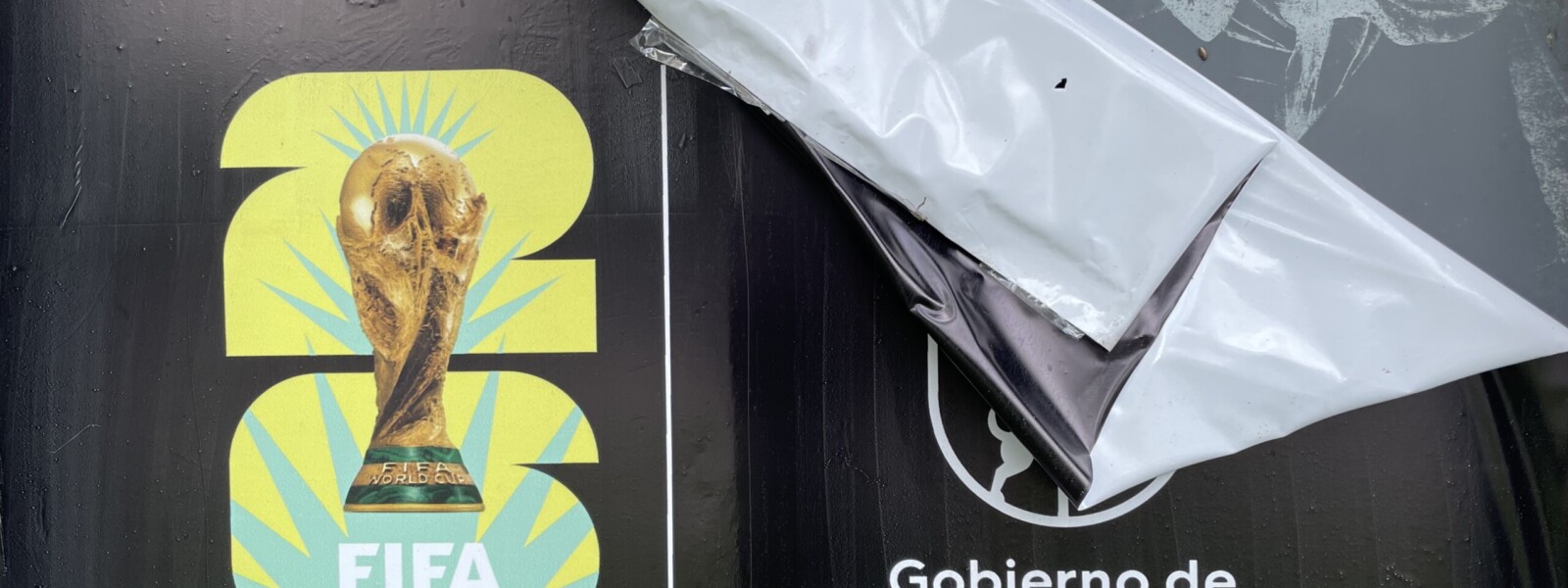
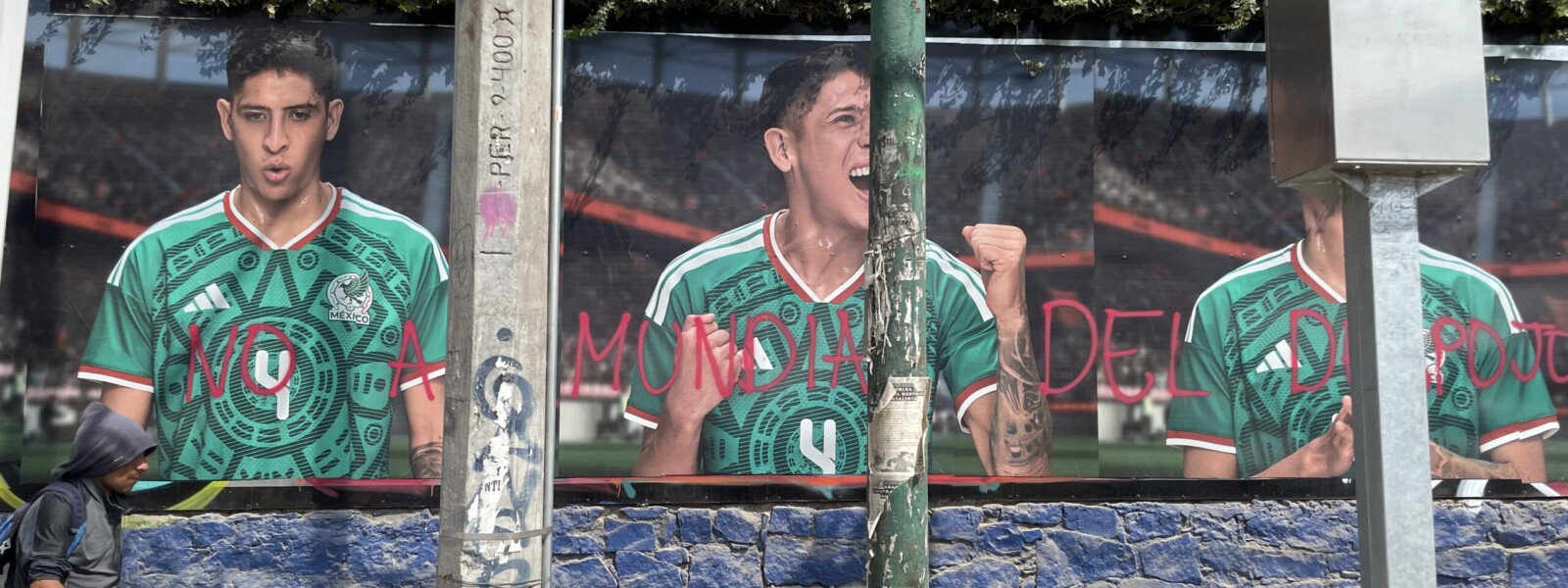
My current project City in Play: Gentrification, Extractivism, and Socio-Environmental Impacts of the 2026 FIFA World Cup integrates these dimensions through the lens of a major sporting mega-event. Through an ethnographic study of the megaprojects associated with the 2026 World Cup, the project analyzes the urban and environmental conflicts they generate, as well as struggles related to the defense, appropriation, and control of territory, and the collective responses that build territorialities of resistance to urban extractivism.
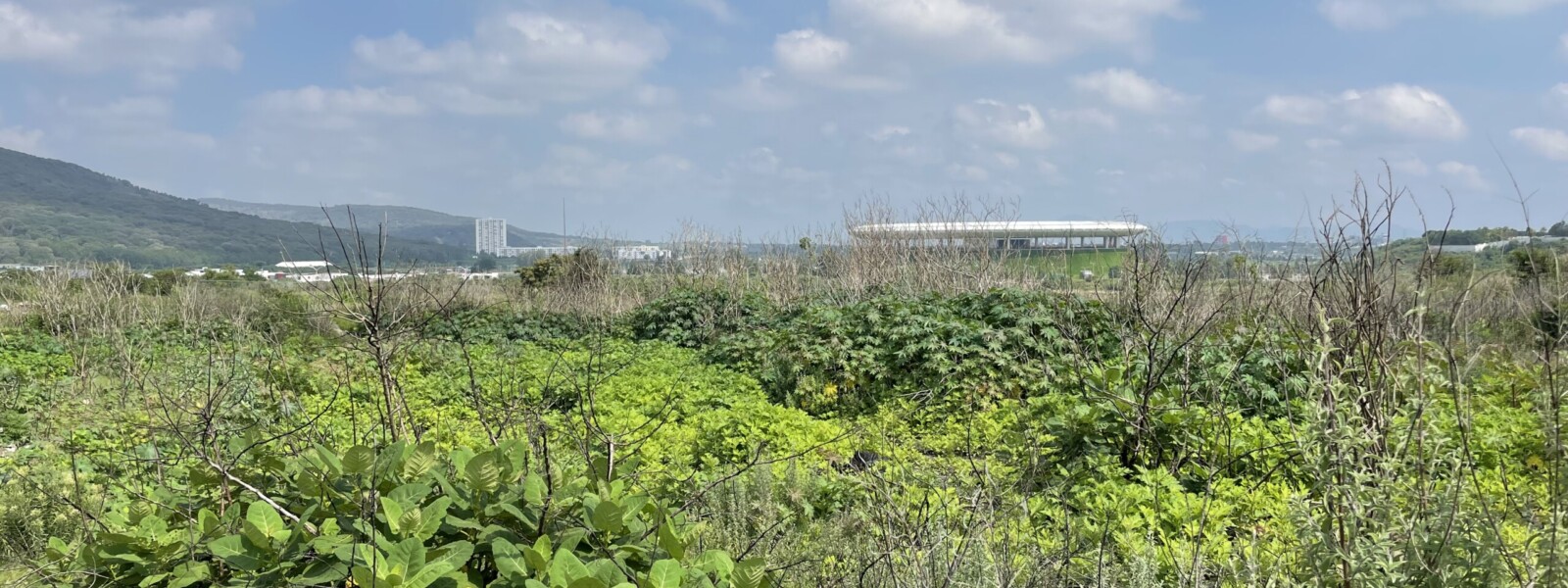
The research is conducted in collaboration with graduate students and examines socio-territorial processes in Monterrey, Guadalajara, and Mexico City, all World Cup host cities. Beyond stadium renovations, this sporting mega-event drives infrastructure development and exclusive real estate projects with profound impacts, including dispossession and gentrification, water grabbing, and the destruction of forests and rivers.
In collaboration with Roger Magazine, this approach is complemented by an analysis of accessibility to World Cup matches and, subsequently, to local clubs for local populations. Infrastructure investment produces not only urban extractivism but also sporting extractivism, as the rising costs of stadiums translate into sustained increases in ticket prices that clubs and fans will inherit.
Beyond the immediate World Cup context, the project advances a comprehensive, ethnographic, and comparative perspective to analyze these dynamics in the pre-event, concurrent, and post-event phases (2026–2028). The cases studied are understood as emblematic examples of urban megaprojects that reconfigure space and socio-environmental relations.
Please get in touch regarding potential collaborations, talks, media interviews, or for further information about the research.
The project is funded by the Office of Research and Graduate Studies at Universidad Ibero as part of the 20th Call for Scientific, Humanistic, Technological, and Research-Creation Projects.