Seite 16 von 20

Towards a new vocabulary of urbanization processes: a comparative approach

Urban Studies – 2018

Contemporary processes of urbanisation present major challenges for urban research and theory as urban areas expand and interweave. In this process, urban forms are constantly changing and new urban configurations are frequently evolving. An adequate understanding of urbanisation must derive its empirical and theoretical inspirations from the multitude of urban experiences across the various divides that shape the contemporary world. New concepts and terms are urgently required that would help, both analytically and cartographically, to decipher the differentiated and rapidly mutating landscapes of urbanisation that are being produced today.

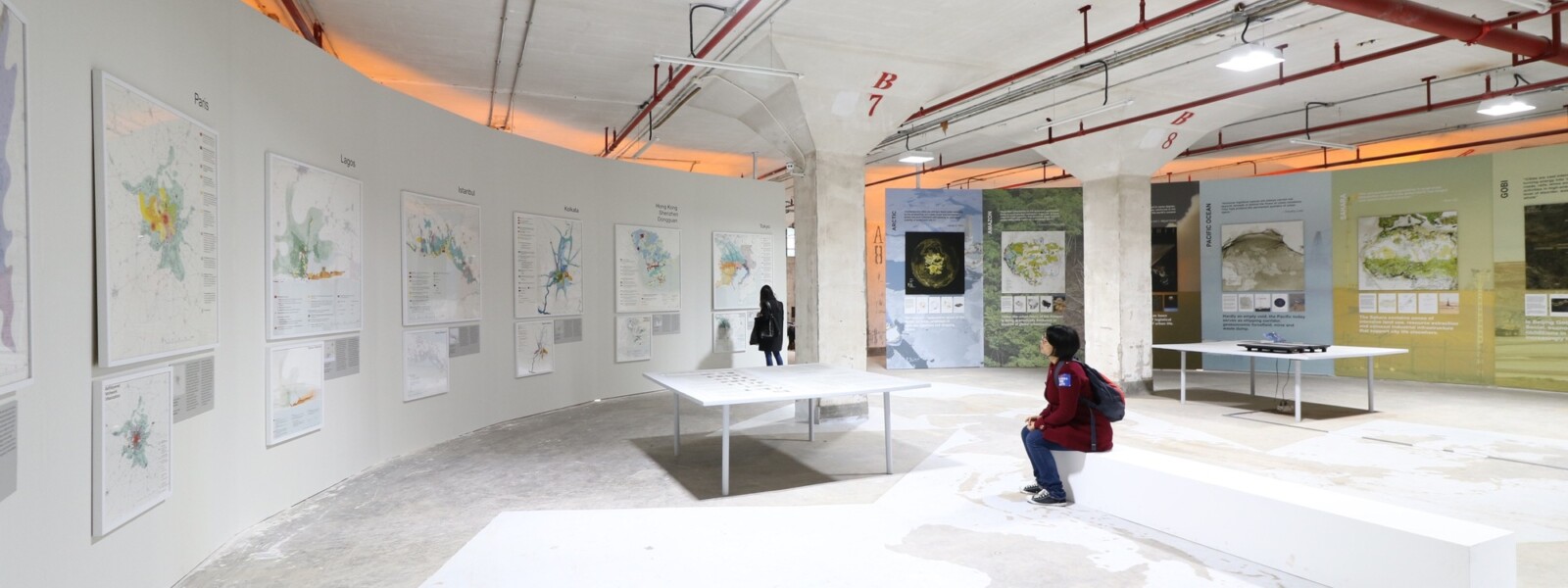
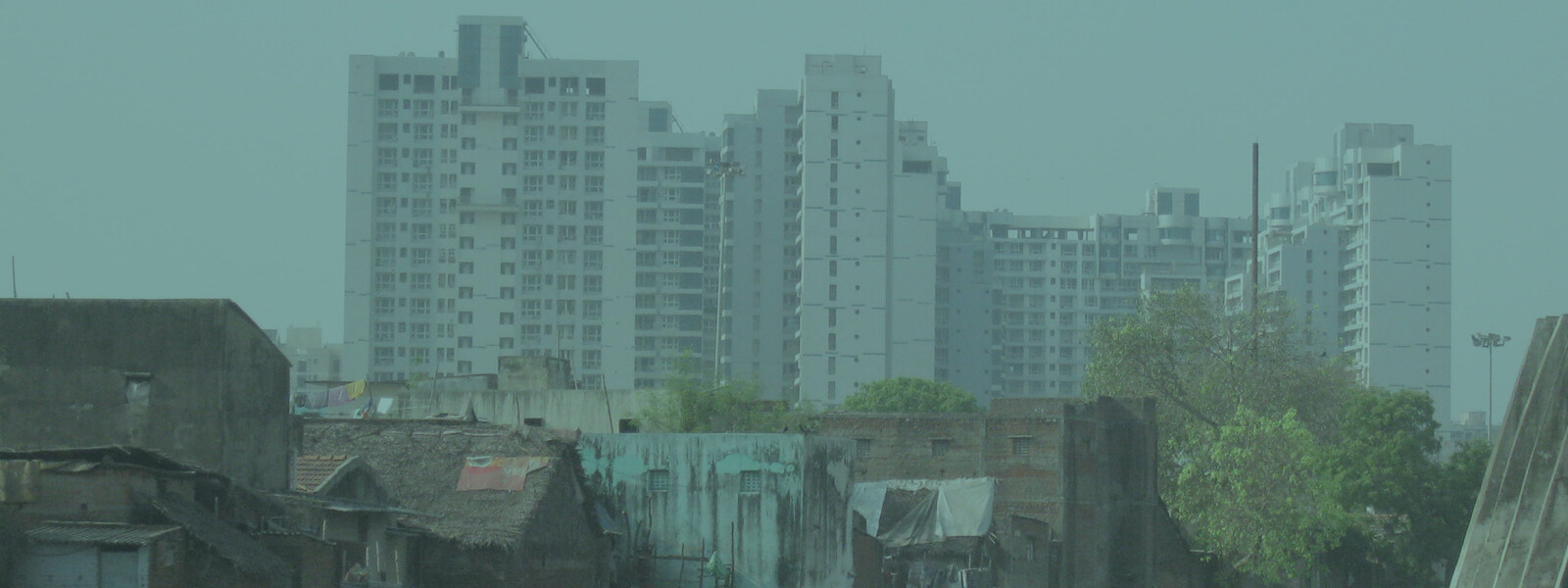
One of the key procedures to address these challenges is the application of comparative strategies. Based on postcolonial critiques of urban theory and on the epistemologies of planetary urbanisation, this paper introduces and discusses the theoretical and methodological framework of a collaborative comparative study of urbanisation processes in eight large metropolitan territories across the world: Tokyo, Hong Kong/Shenzhen/Dongguan, Kolkata, Istanbul, Lagos, Paris, Mexico City and Los Angeles.

In order to approach these large territories, a specific methodological design is applied mainly based on qualitative methods and a newly developed method of mapping. After the presentation of the main lines of our theoretical and methodological approach we discuss some of the new comparative concepts that we developed through this process: popular urbanisation, plotting urbanism, multilayered patchwork urbanisation and the incorporation of urban differences.

Schmid, Christian, Karaman, Ozan, Hanakata, Naomi, Kallenberger, Pascal, Kockelkorn, Anne, Sawyer, Lindsay, Streule, Monika, Wong, Kit Ping (2018) Towards a new vocabulary of urbanization processes: a comparative approach. Urban Studies 55(1): 19–52. DOI 10.1177/0042098017739750

Artikel lesen (in Englisch)

Decolonizing methods: How to un-think something you don’t know you’re thinking?

RGS-IBG Konferenz London – 2017

(Zusammenfassung in Englisch)

This paper explores ways towards decolonizing methods, and thinks about how decentring and pluralizing knowledge production in the empirical field is intrinsically linked to the theorizations of the urban. In the wake of frequent calls to investigate urban processes in a planetary and comparative perspective, the empirical grounding of research is among the particularly complex challenges urban scholars are confronted with today. What are the practical consequences for comparative research after the post- and decolonial critique? How to put a decolonized urban geography into practice? Without pretending to answer these encompassing questions fully, this contribution discusses an experimental, critical and self-reflexive use of methods in a decolonial perspective.

If urban theory is to be both provisional and revisable, it is key to foreground the role of the corresponding methodological strategies. Thus, integrating theory, method, synthesis and reflection, the paper demonstrates how methodological innovations are both influenced by and formative of a decentered urban theory. Taking the original method Mobile Ethnography as an example, the paper engages with an inventive and transdisciplinary qualitative approach apt to engender an on-going transductive dialog between theoretical and empirical reflections in the field of urban studies. The main concern of this approach is to address inherent but often underrepresented power relations in the production of metropolitan territories, and in the scientific research itself.

(Spatial) knowledge, it is argued, is produced on behalf of the Mobile Ethnography and is reflected in the dialectical production of space by the researcher and the researched. In this view, the ethnographic field-site transforms into a research object of its own. Emphasizing thus the agency of multiple subjects in the social production of metropolitan territories, Mobile Ethnography understands everyday urban experiences as an integral part of knowledge production across the urban world.

Paper presented at the Session Decolonizing Urban Geography: Where have we got to; what next? RGS-IBG 2017 „Decolonizing Geographical Knowledges: opening geography out to the world“, 29.8.–1.9.2017, London

Tracing the developmentalist regime of productivity. Nation, urban space, and workers’ Habitat in Mexico City, 1940s-1970s

Routledge – 2017

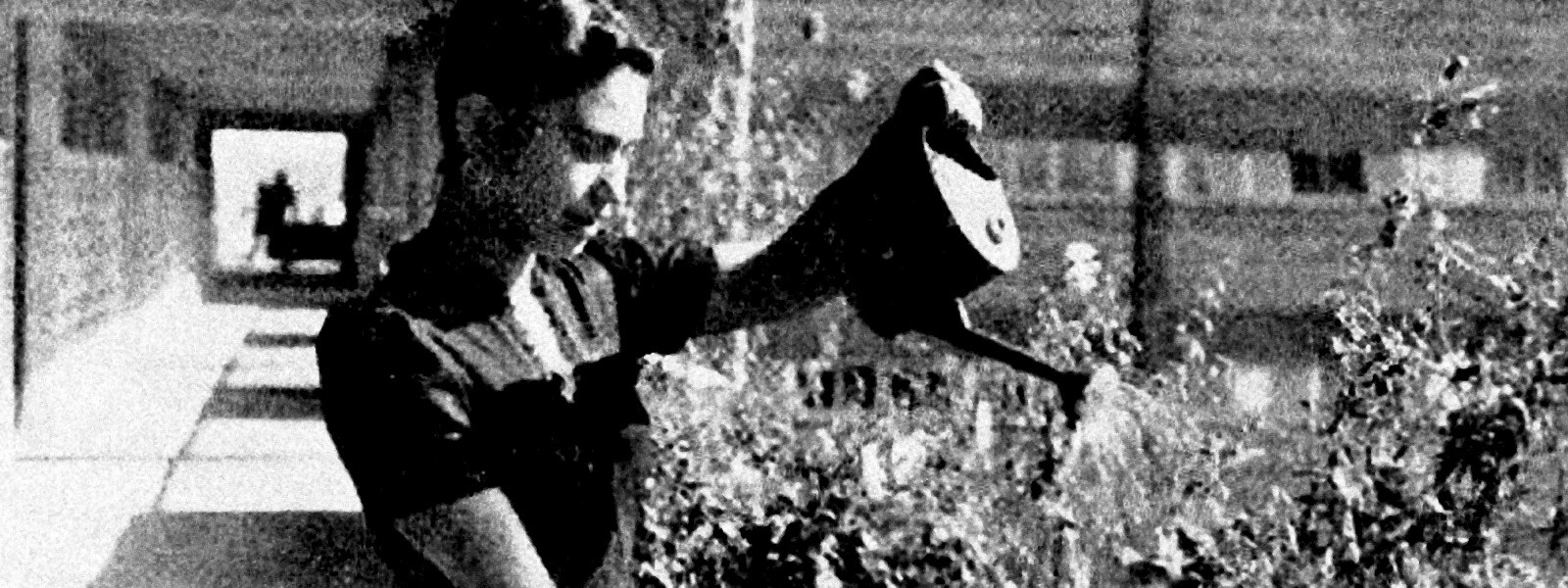
Focusing particularly on the conceptualization of developmentalism, urban productivity, and the production of the national identity of Mexicanidad, this chapter outlines the developmentalist regime of productivity as composed of three primary elements: productivism, social reformist urbanization, and nation-state formation. In the specific case of the workers’ housing projects in Mexico City between the post-WWII era and the 1970s, the concept of productivity was not the main driving force.

Instead, the first section reveals the entanglement of a wide range of practices among which productivist, nationalist, and gendered discourses, as well as urban functionalism, seem to have been the most influential. The second section shifts attention to the credit arrangements for affordable housing. It reveals to what extent they were embedded in contemporary social hierarchies based on gender, race, and class, thus fostering material disparities by narrowing access to housing and economic rights.

Against this background, the chapter concludes that a major shift in the social production of space and productive bodies occurred in Mexico City in the early 1970s, a change which can be described as a transition from developmentalism to authoritarianism.

Read chapter

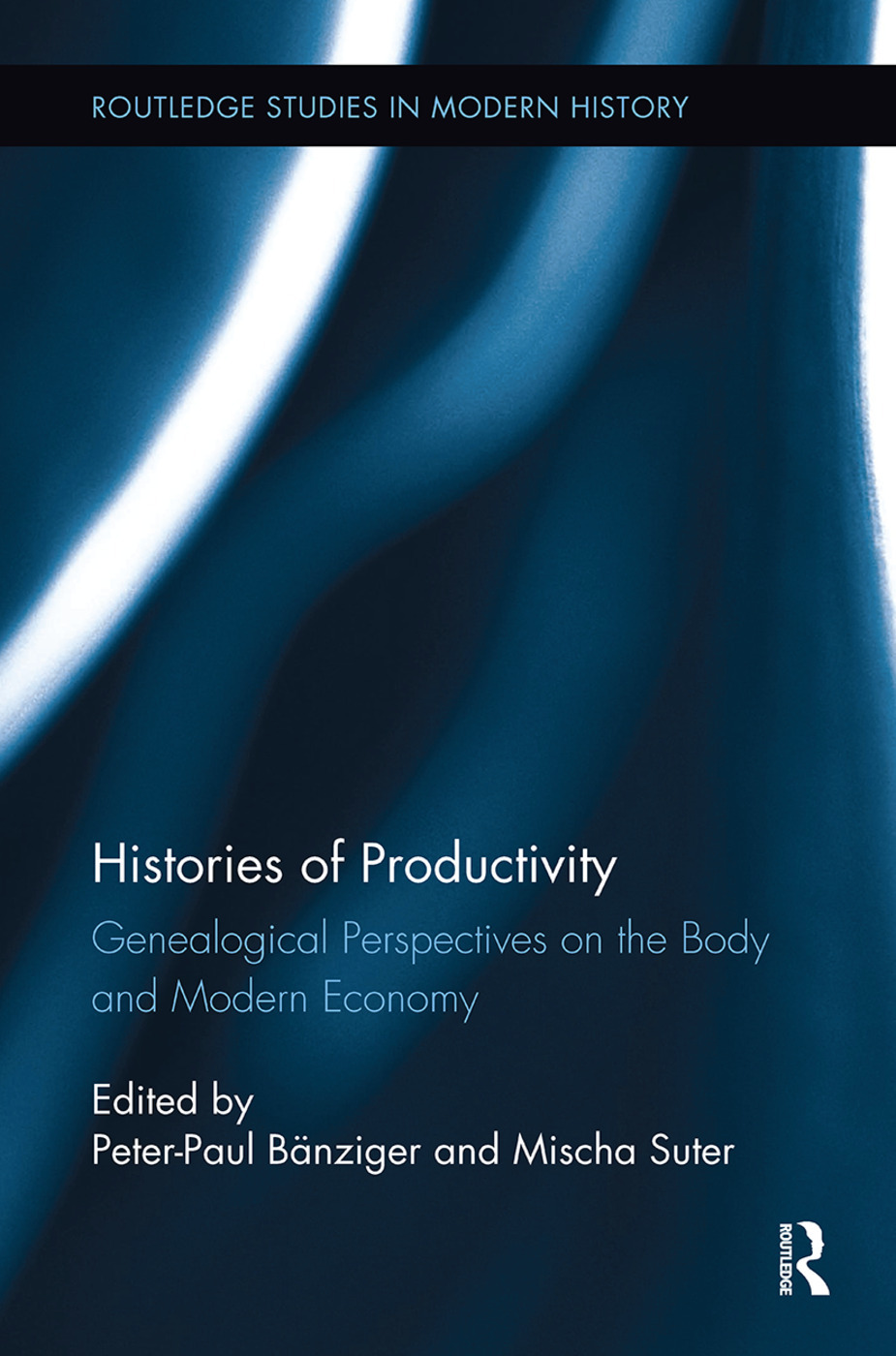
Streule, Monika (2017) Tracing the developmentalist regime of productivity. Nation, urban space, and workers’ Habitat in Mexico City, 1940s-1970s. In: Bänziger, Peter-Paul and Mischa Suter (eds.) Histories of Productivity. Genealogical Perspectives on the Body and Modern Economy. New York: Routledge, 156–173.

Die neue Weststrasse: Fünf Jahre nach der Verkehrsberuhigung und Umgestaltung

Zwischenberichte 001/ – 2017

Die Zeitung «Die neue Weststrasse» setzt sich mit den laufenden Aufwertungs- und Verdrängungsprozessen entlang der Weststrasse in Zürich auseinander. Sie entstand im Wahlfach des Frühlingssemesters 2017. Die Studierenden führten zahlreiche Interviews mit unterschiedlichen Menschen im Quartier. Zwei Gastbeiträge weiten den Blick über die Weststrasse hinaus.

Zeitung herunterladen

Nüssli, Rahel und Monika Streule (Hrsg.) (2017) Die neue Weststrasse. Fünf Jahre nach der Verkehrsberuhigung und Umgestaltung. Zwischenberichte 001. ETH Zürich.